The Article(s) are Below

Tampilkan postingan dengan label Treatment. Tampilkan semua postingan

How to Reduce Acne Most Effectively

Are you frustrated with acne? Have you gotten the prescription or TV advertised stuff in hopes of seeing your beautiful face again, only to be disappointed? Have you considered the possibility that there are some time-tested methods that are less than common but may actually work better? We are here to tell you that you can have your beautiful skin again and you may not even need to pay a penny to do so.

Let’s run through "The Don’t" list. Don’t expose yourself to the sun much, if at all; just don’t forget to supplement your diet with Vitamin D. Don’t eat sweets unless those sweets are fresh fruit or honey. Don’t eat simple fibers such as pasta and white bread. Stay away from fast food and other foods high in saturated fats or high in salt/sodium. Avoid touching your face. Don’t pop your acne, especially with your fingers; it is usually okay to do it with sterilized tools (wash them in rubbing alcohol between each pop.) At this point you may say, "What’s the point of even living, if I can’t do any of these?" Well trust me these habits are an excellent way to avoid all future health problems not just prevent your acne outbreak. Although some of the above are to be never done, the truth of the matter is that it’s okay to do one every once in a while, just don’t do it before a big date.

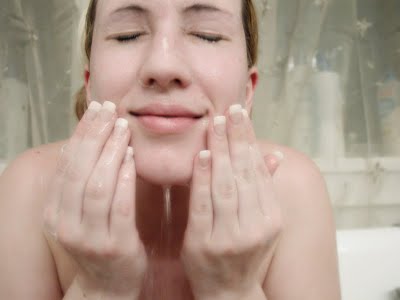
If you only follow the above plan than you have won half the battle, however there are a few more secret remedies that will prevent the worst of your breakouts. Start with a different type of facial that doesn’t involve putting green goop on your face. You boil a large pot of water, purified if possible, and while it is boiling, "hover" your face over the steam. Make sure you are careful not to lean on any hot surface and that your face is far enough away to avoid getting any hot water on your face. Stay in the hot steam (eyes closed) for about five minutes. Some variations of this include wrapping a towel around your face (what you might see in an older movie if someone had a tooth ache) or taking the hot pot off the stove before putting your face into the steam, either of these may be applied for similar results. Once the steaming has been done, wash your face with cold water. Doing this several times a week should dramatically reduce your pimples.

Because of the "facial" your pores should be all opened up now and the crud washed out. This may be all that you need to do to prevent your acne and you may want to test that before you move onto the more drastic next step which involves soaking up the oils and relaxing your skin with a simple but rather expensive paste. You make the paste by combining oatmeal and honey and applying it directly to your face. Although this method traditionally dates back to the nineteenth century and perhaps even earlier, science actually validates it now and finds it to be even more effective than thought before. It works in a two step process, first with the oatmeal soaking up the excess fats and oils and second with the honey hydrating the skin and killing the bacteria that causes the acne. Actually, honey has now been realized to be so effective in clearing acne and restoring youthful skin in general that you may need to look far and wide to find a professional product that doesn’t use it. Apply this paste to your face for perhaps fifteen to thirty minutes and again wash it off with cool to cold water. This can become a rather expensive procedure but if it is within your reach, doing this after every facial is typically best.

If you follow the above and include at least two daily face washings with a natural soap, or even better is to be more specific and use the 100% natural, acne soap, then you should now be more or less acne free. If acne still troubles you after following the above procedures then you have a truly heavy case indeed and we are almost inclined to say that you are not following "The Don’t" list very well. However there are exceptions so we’ll mention that there are a few targeted type remedies that are more hit or miss, in other words they deal with more rare causes of acne. You can use your favorite search engine to look up how to use eggs, essential oils and even herbs to treat for acne problems. Some of these remedies are truly experimental so be sure you have a few days you can use to call in sick in case you have to stay at home and deal with an unforeseen reaction.

Now that you know these remedies you can truly be acne free and without pounding your face with heavy duty chemicals that cause pain, redness, and in fact do more damage than good. The neat part is that these methods tend to be even more effective than the stuff advertised on TV or prescribed by your doctor. Why don’t you give them a try and bring on your best face forward.

source : buzzle

Tips for Acne Free Skin

To protect yourself from an acne breakout, or to get rid of acne, you need to understand how people get acne. Our skin has tiny pores, which have sebaceous glands which contain oil, that moisturizes our skin to keep it healthy. Hormonal changes in the body, which occur mostly during puberty, cause excess oil production in these glands causing blockage of the skin pores. These areas are then susceptible for bacterial growths which causes skin irritation leading to acne. At times, dust and foreign particles can also block the skin pores leading to accumulation of sebum, causing acne breakouts. Understanding the different skin types is also important for acne treatment, as cures will vary for oily skin and dry skin types. However there are tips for acne free skin that each individual, irrespective of skin type, can follow.
Tips on Obtaining Acne Free Skin

Keeping acne away requires a whole gamut of things ranging from having a healthy diet to maintaining a health lifestyle. You can also use over the counter creams to support healthy skin and take vitamins to boost your immune system. Here are some of the things that you could do to safeguard your skin from an acne breakout.

Hydration
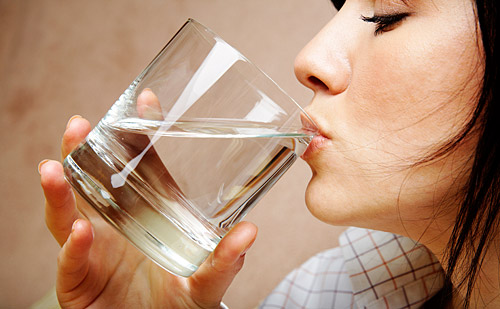
It is important to keep your skin hydrated by drinking lots of water as this will help to flush away the toxins. Having fruit juices will also help you replenish the body with essential proteins and minerals that support skin care. You should have at least 1.5 to 2 liters of water every day and have juices like orange and cranberry.

Cleansing
Blockage of skin pores is one of the major reasons of acne, so having a good cleaning routine is very important to ward off acne breakouts. Use a mild soap to wash at least twice a day and use a circular motion when you are rubbing the lather. When washing do not scrub as it may cause skin irritation, also do not over wash as this may lead to skin damage.

Home Remedies
There are several products that you can find in your kitchen that will help you against acne like honey and lemon. Apply honey on your skin as a face mask and keep it on for 5-10 minutes and then wash it off with lukewarm water. Honey has antimicrobial qualities that will fight acne causing bacteria. Using lemon to cleanse your skin before going to bed is also a great home remedy for acne treatment and prevention.

Diet
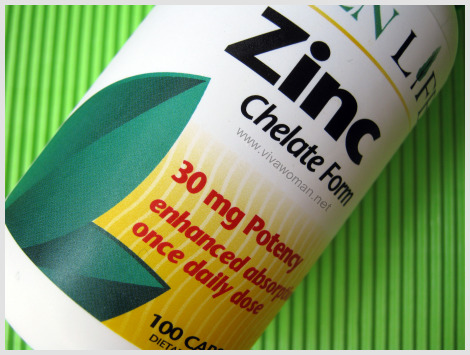
It is suggested that you stay away from oily food to avoid acne breakouts, your acne diet should include vegetable and fruits. There are several vegetables that act like diuretics and are great for cleansing the body and fruits which are rich in antioxidants are also very helpful. Vitamins in vegetables are also known to rejuvenate the skin and help fight inflammation. One of the other important tips for acne free skin is to eat foods that are rich in zinc and beta carotene.

Vitamins
To improve skin vitality and it's ability to fight off bacterial attacks and inflammation you can take vitamin supplements. Vitamin C and Vitamin E supplements are especially good for the skin as they contribute to collagen production and boost the immune system. These vitamins can also be gotten from natural sources like fruits and berries. Research has also indicated that Vitamin A supplements are also good for the skin as they strengthen the protective tissue of the skin helping in fighting acne.

Some of the other tips for acne free skin include using products which are non-comedogenic, meaning which are not oil based, but are gel or water based. Avoid wearing make up and avoid the sun as much as you can or use a good sunscreen. One last thing, if you have an acne breakout do not break the pimples as this will only spread the infection

source : buzzle

Acne Treatment Home Remedies


Here are some other simple home remedies for the best acne treatments, that have been found to be effective:
  • Prepare a mix of gram flour (2 tbsp), turmeric powder (½ tsp) and milk. Now apply on face and wash after 20 minutes, many people use this as a bathing powder as well. It prevents the onset of more acne and clears the skin and complexion.
  • Apply grated cucumber onto the face and neck and leave for 15 minutes before washing off.
  • Apply grated potato on skin for getting rid of acne.
  • Apply toothpaste on each of the pimples and keep overnight before washing off in the morning.
  • Cut a tomato and take the juice along with the seeds. Apply on pimples and wash off after 20 minutes.
source : buzzle

Acne Cured Naturally

Treat irritating skin eruptions (blemishes, pimples, blackheads, cysts, pustules, folliculitis, furnuncles) the natural way. Our bodies respond quite nicely to natural remedies. Pamper your skin with herbal salves and poultices. Clear your complection by drinking herbal teas to treat yourself.


Natural Remedies
  • Strawberries/Strawberry Leaves - Used in a poultice are recommended as an herbal remedy for acne. Egyptians discovered that applying wetted strawberry leaves improved the complexion.
  • Dandelion - Useful in treating acne, eczema and psoriasis
  • Natural Facial Masks
  • Zinc Supplements
source : healing.about

Simple Tips to Cure Your Acne Naturally

Acne is a tremendously embarrassing and burdensome problem. It is easy to feel that you don't have control over your breakouts. But the fact is, you do. Now, your first response may be to assume that I'm going to recommend you see your dermatologist. Well, think again. Natural remedies can be just as effective and medications. Possibly more powerful. Sometimes, all your body needs is the right nutritional balance and proper skin care. Here are some easy things you can start doing today to help you heal your acne. You should notice a difference in about 4 weeks.
  • Apply a honey mask to your face once or twice a week - Honey has antibacterial properties so it is great for disinfecting and healing minor blemishes. It is also gentle on sensitive skin.

  • Wash twice a day with acne soap - You should wash your face twice a day with a sulfur based soap designed for acne. Once when you first wake up in the morning and then, right before you go to bed at night. Be extremely gentle to your skin when washing - do not scrub or use any sort of rough cloth. Overwashing your skin will actually stimulate your sebaceous glands to produce more sebum, thus increasing your acne.

  • Keep your hair off your face - If you have long hair or bangs, pull your hair off your face. Your hair contains oils as well, and will contribute to your breakouts. You'll also want to wash your hair everyday and after workouts

  • Take a potent multi-vitamin - Acne can be a sign that something is wrong on the inside. Your skin depends on nutrition. It is a vital organ that is usually neglected. If your body is not receiving the right nutrition, it will fight back. One common way it will rebel is to produce excessive sebum, clogging pores, and reducing the ability for your skin to heal and fight bacteria (see Acne Prevention Vitamins)

  • Include chromium in your diet - Chromium is well known for weight loss diets. But it is also excellent for healing infections on the skin. Taking a chromium supplement once a day will help heal your pimples quickly and prevent future breakouts.

  • Eat carrots for beta-carotene (Vitamin A) - Vitamin A strengthens the protective tissue of the skin and actually prevents acne. It helps reduce sebum production. This vitamin is essential for the maintenance and repair of the tissue which the skin and mucous membranes are made of. Vitamin A is also a powerful antioxidant needed to rid your body of toxins. Did you know that a deficiency in vitamin A can actually cause acne?

  • Avoid wearing makeup - Leaving makeup products on your skin only contributes to clogging your pores, causing more pimples and blackheads. If you feel you must wear makeup, be sure it is water-based.

  • Do not pick or squeeze your blackheads and pimples - As tempting as it may be, do not squeeze, scratch, rub or touch your pimples and blackheads. Do any of these actions, actually increases the sebum production. Plus, when you squeeze, you are actually rupturing the membranes below your skin, causing infection and sebum to spread underneath your skin. The result is more pimples.

  • Wash your pillow case every other day - Your face lays on your pillow case every day. Your pillow case absorbs the oils from your skin and reapplies the dirt and oil. Thus causing breakouts. Keep your sheets and pillow cases clean.

  • Eat foods rich in zinc - Zinc is an antibacterial agent and a necessary element in the oil-producing glands of the skin. A diet low in zinc can actually cause acne breakouts.
source : healing.about

Tips on How to Get Rid of Acne Redness

Ice Massage
For acne redness relief, apply ice on the affected area. It is said that the application of ice reduces the swelling and in the process brings down the redness caused due to acne. One word of caution though, do not press ice cubes into the skin for long, otherwise the skin cells might get damaged!

Curd
For those of you who want to know, how to reduce pimple redness, a good idea is to apply homemade curd on the skin. Curd fights the bacteria on skin which cause acne, thus clearing off the skin of any acne or redness in the process.

Orange Peel and Fuller's Earth
Certain face masks can do wonders to reduce acne redness. One of such face masks is prepared by mixing fuller's earth and powder of dried orange peel with rose water, in equal quantities. This face mask should be applied every week on the face, left on for twenty minutes and then washed off with lukewarm water. Overtime, this mask can reduce acne scars.

Tomato and Cucumber Juice
One of the most effective acne redness home remedies is to apply a mixture made from equal quantities of cucumber and tomato juice on the affected area. Leave it on for twenty minutes and then wash off. This mixture helps in tightening the pores on the skin, thereby reducing acne redness considerably.

Garlic
Garlic is known to possess many anti-septic properties. So, take a clove of fresh garlic, crush it to form a paste and then apply it on the acne-affected skin. This should reduce acne redness to some extent. For more of such tips, you may refer to how to reduce acne redness.

Aloe Vera
An acne redness reducer which many people vouch for is aloe vera. Buy a good quality aloe vera gel from a beauty store and apply it on your skin everyday. Aloe vera is known to have antibacterial and astringent properties, due to which it reduces any built of bacteria on the skin, that is the prime reason behind acne. For best results, leave aloe vera gel on the skin for the whole night and wash it off with a mild cleanser in the morning.

Lemon Juice and Rose Water
Mix lemon juice with rose water in equal quantities and apply on the skin. Leave it on for about half an hour and then wash off with plain water. Follow this acne redness treatment for a month and you will be surprised to see the results. One caution here - if you have a sensitive skin, forgo this remedy as lemon juice can be detrimental for such skin and cause irritation.

These are some effective remedies to get rid of acne redness. Besides these, it is important that you take a healthy and balanced diet. Giving up on oily, fried and fast foods, replacing them with fruits and vegetables, will go a long way in acne control. Including foods that are rich in Vitamin A is especially known to curb acne and the resultant redness. Combine a healthy diet, with a regular exercise routine. Exercises reduce the stress, which is one of the main contributors of acne, besides providing the skin with enough oxygen, to rejuvenate itself. If you follow these tips religiously, soon you will get rid of all acne problems, including skin redness!

source : buzzle

Foods to Fight Acne

Zinc: Zinc is a mineral which is often recommended for acne treatment. However, some believe that zinc doesn't help with acne treatment at all. If you have low zinc levels, then it could be a reason for an acne condition. So get your zinc level checked. Zinc acts as an anti-inflammatory, which can lower down the symptoms of acne. However, a very small dose of zinc is required by the body daily. Therefore make sure that if you are taking zinc supplements, you stick to the recommended daily intake value.

Water: Water is very important for our health and a clear complexion. Just drinking plenty of water (2 - 3 liters) everyday will flush out the toxins from your body, and will give a glowing complexion. Also, drinking water benefits include bright clear eyes, improved energy levels, and improved blood circulation.

Green Tea: Caffeine is a major cause for bad skin, and should be avoided if you have skin problems. Also, it is dehydrating. So, instead of caffeine, make green tea a part of your acne detox diet. 2 - 3 cups of green tea everyday will provide you with many important vitamins.

Yogurt: Yogurt kills many harmful bacteria in the body, when taken internally. It also contains many other beneficial nutrients which help you maintain good digestive health and skin health. So consider having one to two cups of yogurt everyday. You can also make a yogurt mask and apply it topically.

Omega-3 Fatty Acids: Omega-3 essential fatty acids helps to reduce inflammation, and thus help prevent acne. Also, omega-3 is essential for the body and brain health. You can find omega-3 in flax seeds, walnuts, sardines, halibut and salmon. However, avoid omega-6, as it tends to promote inflammation.

These were the nutrients and their food sources which help to control and prevent acne. Include these nutrients in your diet and consume them in the right quantity, to get their benefits. Apart from following a good diet, make sure you follow a good skin care regime to maintain acne free skin. A topical gel or cream can help you control and prevent further breakouts. You can also keep your skin cleaner by regular scrubbing and washing.

source : buzzle

Effective Acne Treatment and Product

Many teenagers around the world probably share this sentiment as they discover with horror their first pimple on their freshly scrubbed face. As teenagers enter into puberty, they are faced with new and exciting discoveries and challenges. Puberty though is also fraught with frustrations and changes, including physical changes in their bodies that often leave the teenagers with less than desirable pimples on the face.

Acne commonly occurs during the adolescence period. It is often caused by excessive secretion of oil from the glands. The typical acne lesions that appear on the face and body are comedones, papules, pustules and pimples.

Aside from the physical scar that acne leaves on your skin, it also inflicts an emotional toll, negatively affecting teenagers' self-esteem and confidence. For some, acne can become so severe that they shun social contact, leading to social insecurity and sometimes even depression.

acne treatment With the advanced acne treatments and acne products available today, acne need no longer have such a crippling impact on the sufferers' life. Once the outward symptom of acne first becomes apparent, that is, inflammation and lesion on the skin, it is important that you treat it right away so as to slow down or stop further inflammation.

It is a good idea to pay the dermatologist a visit and to have the doctor recommend the best acne treatment for you. The treatment recommended will vary on skin type and also your age.

Acne can be treated much more effectively if it is treated along with acne products, be they over the counter or prescribed. There are numerous acne products sold over the counter currently for the prevention and treatment of acne, with many of these products scientifically proven to be effective in the treatment of acne.

In severe cases, it is best that you consult the dermatologist for advice and get a prescription for stronger acne products. These acne treatments and products require a higher degree of monitoring, as they tend to have more side effects.

The acne product recommended depends on the type and severity of the acne. There are acne ointments and acne creams containing benzoyl peroxide to treat both mild and moderate acne. For more serious acne, there are topical antibiotics that kill the bacteria in the blocked follicles. For even more serious cases, oral antibiotics are effective. And for extremely severe cases, laser surgery can cut the root of the acne.

Aside from treating acne with products, a proper diet is also very important. Teens should avoid eating foods that are too oily, too spicy or too acidic.

So with all these acne treatment options available, you can rest assured that acne will never be an ugly and permanent fixture on your face. When acne rears its ugly head, do not let it ruin your life. With the right acne treatment and right acne products you can get rid of acne for good!

If left untreated severe acne can be a serious problem. Mike Walden, a Certified Nutrition Specialist and Health Consultant who was once a chronic acne sufferer, found a holistic system to permanently clear his acne problem and end breakouts. He has taught thousands of people to get the clear skin without resorting to drugs, creams or ointments.

source : acnecaretips

7 Easy Ways To Fight Acne

The most effective methods to combat acne include a combination of prevention and better skincare.

Here are some of the ways you can use to prevent and treat acne:

1. Exercise

Regular exercise can help fight acne by fighting off negative stress levels that can come from negative self-esteem and depression. But avoid wearing tight lycra and nylon exercise outfits. These synthetic fabrics that tend to trap body moisture and heat, creating an ideal environment for bacteria to grow. Stick to loose clothing made of cotton or natural blends, and keep your sports gear and equipment clean.

2. Safe Cosmetics

To avoid pore-clogging and skin irritations that can contribute to acne, use products labeled "noncomedogenic" or "oil-free." Opt for "hypo-allergenic" perfumes and cosmetics to avoid allergic reactions and skin irritation. Coal tar derivatives, carmine and heavy cream in blushes can cause reactions.

Shimmering facial colors can contain a flaky mineral called mica that can cause skin irritations and clog pores. Use a lip gloss with a matte finish for less pore-clogging. The more the shine, the more then comedogenic content and the more your pores can clog.

3. Healthy Diet

Studies show that diet does not play a role in either the cause or the treatment of acne. However, what is best for your body is best for your skin. So make sure you get enough vitamins, minerals and supplements that have been known and recommended to prevent and help conquer acne breakouts. These include

* Vitamin A or Retinol (High doses are toxic)
* Vitamin B Complex
* Vitamin C
* Vitamin E
* L-Carnitine
* Zinc

A good quality brand name multivitamin will probably have the recommended vitamins and minerals that you need to help with acne prevention.

Drinking plenty of fluids throughout the day and making good, healthy dietary food choices.

4. Hormonal Treatment

Hormones (or a lack of them) during later years - especially for women - can play a role in acne flare-ups and prevention. One recent study showed that about 50 percent of women have acne, referred to as hormonal acne, problems during the week before their menstruation.

Treatment options include topical retinoids, oral antibiotics and Benzoyl Peroxide for teen years. For adults oral contraceptives or hormonal birth control pills and hormonal replacement therapy (HRT) may be helpful for women, combined with systemic or topical treatments, prescription or over-the-counter products and medications.

5. Healthy Skin Regimen

Avoid harsh scrubbing or over-washing, because this can cause possible skin irritation or possible over production of oil to replace what's washed off, clogging pores in the process. Use products with gentle exfoliation ingredients and skip products that contain alcohol.

6. Acne Products

acne treatment Some of the more popular products on the market that can prevent acne include:

* Benzoyl Peroxide
* Proactive Solution
* Salicylic Acid
* Retinoids
* Antibiotics
* Oral Contraceptives
* Anti-Androgens
* Isotretinoin (Accutane)


7. Shaving

Shaving is actually an excellent way of exfoliating or removing dead skin to help with the prevention and spreading of acne instead of leaving the remains to clog pores. And for some light acne cases already in process, shaving can help rid whiteheads and blackheads from the face. Do not shave areas taht are sore or infected. Use a shaving cream for sensitive skin.

Shave with a sharp blade. Use gentle swipes instead of heavy pressure and go with the flow or "grain." A single-edged blade is better than a twin-blade razor. Electric razors may not shave as close to the skin, but they help with the prevention of acne and other skin breakouts and flare-ups better.

source : acnecaretips

Treatment & Prevention by Acnecaretips

If left untreated severe acne can be a serious problem. Mike Walden, a Certified Nutrition Specialist and Health Consultant who was once a chronic acne sufferer, found a holistic system to permanently clear his acne problem and end breakouts. He has taught thousands of people to get the clear skin without resorting to drugs, creams or ointments.

In this proven step by step system for Acne cure, Mike reveals the way to permanently rid yourself of acne and pimples.

Once your acne improves or clears, you may need to continue your acne treatment regime to prevent new acne breakouts. In some cases, you might need to use a topical medication on acne-prone areas. You can also prevent new acne breakouts with simple self-care measures, such as washing your skin with a gentle cleanser and avoiding touching or picking at the problem areas.

For pimples that are persistent, consult your dermatologist for an antibiotic solution to be applied to the surface of the skin or an oral antibiotic. Using antibiotics as acne treatment functions to suppress bacterial growth thereby reducing the recurrence of persistent acne.

If you are considering an acne treatment, it's important to get sound information from a reputable source so you know what to expect. Healthy Skin Portal leads you into a range of skin care treatments with details on the top skin care clinics in your area.

source : acnecaretips

Various Treatments Have Been Available


Traditionally there have been a variety of treatments available to patients with acne scars, depending on the type of scars a patient has (see Acne Scar Types). We can use abrasion or sanding methods, to sand down the scars and smooth the skin. We have used fillers to plump up the scars and make them more level with the surrounding skin (see Dermal Fillers). Subcision may be used to break up the scar tissue, allowing the skin to lay flatter or we can use excision to cut out some of the deeper scars.

source : acnescars

Topical Removal and Dermal Fillers


Topical treatments such as Retin-A, alpha hydroxy acid (AHA), or glycolic acids may also be used to remove some of the superficial layers of the skin and improve skin texture. This is especially true as an adjunct to laser treatment.

Dermal filler agents are also used to treat acne scars. The fillers are injected into the skin to push up the acne scars. The problem with dermal fillers for acne scarring is that you have to repeatedly inject the same areas over time, I think that strategy may not be the best for the deeper acne scars.

Another treatment is called subcision, which involves the surgical freeing-up of the deeper layers of the skin so its not so bound down. Another treatment, mainly of ice pick scars, is punch excision.

source : acnescars

How Would You Sum Up Current-Day Acne Treatment?


Treating acne requires patience and perseverance. Any of the treatments listed above may take two or three months to start working (even isotretinoin). Unless there are side effects such as dryness or allergy, it is important to give each regimen or drug enough time to work before giving up on it and moving on to other methods. Using modern methods, doctors can help clear up the skin of just about everyone.

Just hang in there. And don't pick. Please.

source : medicinenet

What Can The Doctor Do For Acne?

If you haven't been able to control your acne adequately, you may want to consult a primary-care physician or dermatologist. The goal of treatment should be the prevention of scarring (not a flawless complexion) so that after the condition spontaneously resolves there is no lasting sign of the affliction. Here are some of the options available:
  • Topical (externally applied) antibiotics and antibacterials: These include erythromycin (E-Mycin, Eryc, Ery-Tab, PCE, Pediazole, Ilosone), clindamycin (BenzaClin, Duac), sulfacetamide (Klaron), and azelaic acid (Azelex or Finacea).

  • Retinoids: Retin-A (tretinoin) has been around for years, and preparations have become milder and gentler while still maintaining its effectiveness. Newer retinoids include adapalene (Differin) and tazarotene (Tazorac). These medications are especially helpful for unclogging pores. Side effects may include irritation and a mild increase in sensitivity to the sun. With proper sun protection, however, they can be used even during sunny periods. In December 2008, the U.S. FDA approved the combination medication known as Epiduo gel, which contains the retinoid adapalene along with the antibacterial cleanser benzoyl peroxide. This once-daily prescription treatment was approved for use in patients 12 years of age and older.

  • Oral antibiotics: Doctors may start treatment with tetracycline (Sumycin) or one of the related "cyclines," such as doxycycline (Vibramycin, Oracea, Adoxa, Atridox and others) and minocycline (Dynacin, Minocin). Other oral antibiotics that are useful for treating acne are cefadroxil (Duricef), amoxicillin (Amoxil, DisperMox, Trimox), and the sulfa drugs.

    • Problems with these drugs can include allergic reactions (especially sulfa), gastrointestinal upset, and increased sun sensitivity. Doxycycline, in particular, is generally safe but can sometime cause esophagitis (irritation of the esophagus, producing discomfort when swallowing) and an increased tendency to sunburn.

    • Despite many people's concerns about using oral antibiotics for several months or longer, such use does not "weaken the immune system" and make them more susceptible to infections or unable to use other antibiotics when necessary.

    • Recently published reports that long-term antibiotic use may increase the risk of breast cancer will require further study, but at present they are not substantiated. In general, doctors prescribe oral antibiotic therapy for acne only when necessary and for as short a time as possible.

  • Oral contraceptives: Oral contraceptives, which are low in estrogen to promote safety, have little effect on acne one way or the other. Some contraceptive pills have been to shown to have modest effectiveness in treating acne. Those FDA approved for treating acne are Estrostep, Ortho Tri-Cyclen, and Yaz. Most dermatologists work together with primary physicians or gynecologists when recommending these medications.

  • Spironolactone (Aldactone): This drug blocks androgen (hormone) receptors. It can cause breast tenderness, menstrual irregularities, and increased potassium levels in the bloodstream. It can help some women with resistant acne, however, and is generally well-tolerated in the young women who need it.

  • Cortisone injections: To make large pimples and cysts flatten out fast, doctors inject them with a form of cortisone.

  • Isotretinoin: (Accutane was the original brand name; there are now several generic versions in common use, including Sotret, Claravis, and Amnesteem.) Isotretinoin is an excellent treatment for severe, resistant acne and has been used on millions of patients since it was introduced in Europe in 1971 and in the U.S. in 1982. It should be used for people with severe acne, chiefly of the cystic variety, which has been unresponsive to conventional therapies like those listed above. The drug has many potential serious side effects and requires a number of unique controls before it is prescribed. This means that isotretinoin is not a good choice for people whose acne is not that bad but who are frustrated and want "something that will knock acne out once and for all."

    • Used properly, isotretinoin is safe and produces few side effects beyond dry lips and occasional muscle aches. This drug is prescribed for five to six months. Fasting blood tests are monitored monthly to check liver function and the level of triglycerides, substances related to cholesterol, which often rise a bit during treatment, but rarely to the point where treatment has to be modified or stopped.

    • Even though isotretinoin does not remain in the body after therapy is stopped, improvement is often long-lasting. It is safe to take two or three courses of the drug if unresponsive acne makes a comeback. It is, however, best to wait at least several months and to try other methods before using isotretinoin again.

    • Isotretinoin has a high risk of inducing birth defects if taken by pregnant women. Women of childbearing age who take isotretinoin need two negative pregnancy tests (blood or urine) before starting the drug, monthly tests while they take it, and another after they are done. Those who are sexually active must use two forms of contraception, one of which is usually the oral contraceptive pill. Isotretinoin leaves the body completely when treatment is done; women must be sure to avoid pregnancy for one month after therapy is stopped. There is, however, no risk to childbearing after that time.

    • Other concerns include inflammatory bowel disease and the risk of depression and suicide in patients taking isotretinoin. Government oversight has resulted in a highly publicized and very burdensome national registration system for those taking the drug. This has reinforced concerns in many patients and their families have that isotretinoin is dangerous. In fact, large-scale studies so far have shown no convincing evidence of increased risk for those taking isotretinoin compared with the general population. It is important for those taking this drug to report changes in mood or bowel habits (or any other symptoms) to their doctors. Even patients who are being treated for depression are not barred from taking isotretinoin, whose striking success often improves the mood and outlook of patients with severe disease.

  • Laser treatments: Recent years have brought reports of success in treating acne using lasers and similar devices, alone or in conjunction with photosensitizing dyes. It appears that these treatments are safe and can be effective, but it is not clear that their success is lasting. At this point, laser treatment of acne is best thought of as an adjunct to conventional therapy, rather than as a substitute.

  • Chemical peels: Whether the superficial peels (like glycolic acid) performed by aestheticians or deeper ones performed in the doctor's office, chemical peels are of modest, supportive benefit only, and in general, they do not substitute for regular therapy.

  • Treatment of acne scars: For those patients whose acne has gone away but left them with permanent scarring, several options are available. These include surgical procedures to elevate deep, depressed acne scars and laser resurfacing to smooth out shallow acne scars. Newer forms of laser resurfacing ("fractional resurfacing") are less invasive and heal faster than older methods, although results are less complete and they may need to be repeated three or more times. These treatments can help, but they are never completely successful at eliminating acne scars.

source : medicinenet

What Is a Good Basic Skin Regimen?


These are all good basic skin regimens that may help with the acne battle:

  1. Cleanse twice daily with a 5% benzoyl peroxide wash. An alternative for those who are allergic to benzoyl peroxide is 2% salicylic acid.

  2. Apply a gel or cream containing 5% benzoyl peroxide; an alternative is sulfur or resorcinol.

  3. At night, apply a spot cream containing sulfur to the affected areas.

  4. Use a light skin moisturizer and water-based oil-free makeup.

source : medicinenet

What Are Other Things You Can Do For Acne?

  • Cosmetics: Don't be afraid to hide blemishes with flesh-tinted coverups or even foundation, as long at it is water-based (which makes it noncomedogenic). There are many quality products available.

  • Facials: While not absolutely essential, steaming and "deep-cleaning" pores is useful, both alone and in addition to medical treatment, especially for people with "whiteheads" or "blackheads." Having these pores unclogged by a professional also reduces the temptation to do it yourself.

  • Pore strips: Pharmacies now carry, under a variety of brand names, strips which you put on your nose, forehead, chin, etc., to "pull out" oil from your pores. These are, in effect, a do-it-yourself facial. They are inexpensive, safe, and work reasonably well if used properly.

  • Toothpaste? One popular home remedy is to put toothpaste on zits. There is no medical basis for this. Ditto for vinegar.
source : medicinenet

What Can You Do About Acne on Your Own?

Think back to the three basic causes of acne and you can understand why the focus of both home treatment and prescription therapy is to (1) unclog pores, (2) kill bacteria, and (3) minimize oil. But first a word about...

Lifestyle: Moderation and regularity are good things, but not everyone can sleep eight hours, eat three good meals, and drink eight glasses of water a day. You can, however, still control your acne even if your routine is frantic and unpredictable. Probably the most useful lifestyle changes you can make are to never to pick or squeeze pimples. Playing with or popping pimples, no matter how careful and clean you are, nearly always makes bumps stay redder and bumpier longer. People often refer to redness as "scarring," but fortunately it usually isn't in the permanent sense. It's just a mark that takes months to fade if left entirely alone.

Open the pores

Cleansing and skin care: Despite what you read in popular style and fashion magazines, there is no magic product or regimen that is right for every person and situation.

  • Mild cleansers: Washing once or twice a day with a mild cleansing bar or liquid (for example, Dove, Neutrogena, Basis, Purpose, and Cetaphil are all inexpensive and popular) will keep the skin clean and minimize sensitivity and irritation.

  • Exfoliating cleansers and masques: A variety of mild scrubs, exfoliants, and masks can be used. These products contain either fine granules or salicylic acid in a concentration that makes it a very mild peeling agent. These products remove the outer layer of the skin and thus open pores. Products containing glycolic or alpha hydroxy acids are also gentle skin exfoliants.

  • Retinol: Not to be confused with the prescription medication Retin-A, this derivative of vitamin A can help promote skin peeling.

Kill the bacteria

  • Antibacterial cleansers: The most popular ingredient in over-the-counter antibacterial cleansers is benzoyl peroxide.

  • Topical (external) applications: These products come in the form of gels, creams, and lotions, which are applied to the affected area. The active ingredients that kill surface bacteria include benzoyl peroxide, sulfur, and resorcinol. Some brands promoted on the Internet and cable TV (such as ProActiv) are much more costly than identical products you can buy in the drugstore.

Benzoyl peroxide causes red and scaly skin irritation in a small number of people, which goes away as soon as you stop using the product. Keep in mind that benzoyl peroxide is a bleach, so do not let products containing benzoyl peroxide leave unsightly blotching on colored clothes, shirts, towels, and carpets.

Reduce the oil

You cannot stop your oil glands from producing oil (unless you mess with your hormones or metabolism in ways you shouldn't). Even isotretinoin (Accutane, see below) only slows down oil glands for a while; they come back to life later. What you can do is to get rid of oil on the surface of the skin and reduce the embarrassing shine.

  • Use a gentle astringent/toner to wipe away oil. (There are many brands available in pharmacies, as well as from manufacturers of cosmetic lines.)

  • Products containing glycolic acid or one of the other alpha hydroxy acids are also mildly helpful in clearing the skin by causing the superficial layer of the skin to peel (exfoliate).

  • Masks containing sulfur and other ingredients draw out facial oil.

  • Antibacterial pads containing benzoyl peroxide have the additional benefit of helping you wipe away oil.
source : medicinenet

How to Clear Acne - Fix the Root of the Problem

If you want to know how to clear your acne by attacking the root of the problem then this article is for you. If on the other hand you're looking for quick and easy remedies that you can just concoct at home and throw onto your face for a few hours then this isn't the right article for you. I've read a number of articles about "how to clear acne" and it's incredible how so few of these articles tell you to look inside your body for the solution instead of preaching about a new lemon and psyllion husk mixture that will clear your acne in two days flat.

Topical Treatments are only good for some

The "throw at the wall and hope they stick" home remedy type treatments may temporarily alleviate some of the skin problems; in fact for mild acne sufferers it may even completely eradicate acne. However, those sort of treatments aren't going to cut if for the population that have moderate to severe acne and who are fed up of all these little topical "cures" that actually just don't work for them.

It's not attacking the root cause

The reason why these cures don't work for the moderate to severe sufferers is down to the fact that it's a cover up. When you try and cure acne by applying substances to your skin, you're nowhere near the root of the problem, you're trying to fight a battle after the battle has already been lsot. At the point where the toxins are being excreted through your pores in the skin, there's only a certain amount of prevention that a topical treatment can do - and it certainly can't be branded a "cure".

Toxicity levels are the crux of the matter here

The real cure is addressing the root cause of acne from the beginning and taking steps to stop toxic build up in the body. If your body doesn't have excess toxic residue, then the toxins won't have to be excreted through the sebum glands in the skin, your pores won't become clogged, bacteria won't multiply and you won't get spots.

So to clear acne we must...

Either consider what it is that we're doing that could be causing elevated levels of toxicity in the body (diet, environment, poisonous chemicals, metals in tooth fillings, unbalanced hormones, Candida, other yeast infections etc.) or improve our body's ability at filtering them through the liver and kidneys. For the most successful acne campaign, both is necessary!

Dermatologists won't necessarily tell you all this

Some dermatologists are absolutely great and really understand that holistic cures are possible for this condition. Others, however, are just as likely to put you on a course broad-spectrum antibiotics, topical Benzoyl Peroxide (such as Quinoderm), Erythramycin or even Roaccutane (although apparently there's been a law suit filed against Roche so roaccutane is off the list now). This stuff has a low success rate because it's not attacking the root of the problem. What's more, especially with the antibiotics, you are introduced to a plethora of other side effects that result from taking an intensive course of Tetracycline, for instance. This stuff actually kills the bacteria in the body that causes spots - but it also disrupts our healthy internal flora, which helps control the build up of spot causing bacteria anyway! In the long run, some patients have reported worse acne at the end of this treatment!