The Article(s) are Below

Tampilkan postingan dengan label Causes. Tampilkan semua postingan

Why do Boys Have Acne?

Acne skin care regimes for most boys begin at the onset of puberty for that is when the appearance of acne becomes noticeable. It’s an acceptable sign of growing up and can be controlled. Over the years, many reasons have been suggested for the occurrence of acne and blemishes but none are backed by tangible proof. Given that teenagers are most likely to consume large amounts of comfort foods like sweets and burgers, and hardly have any water or fruits intake, these seem to be the most apparent cause/s for acne. For instance:-
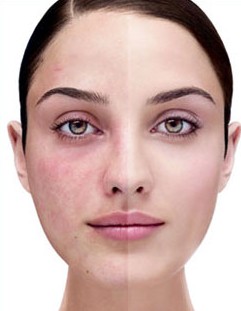
(i) Excessive intake of sweets, chocolates or fried foods have been pointed at as being reasons for acne, although not scientifically proven.

(ii) Physiological stress has been considered as contributing to acne. Boys must be encouraged to join support groups that could help deal with the problems sensibly.

source : buzzle

What Causes Pimples & Acne

Pimples usually develop after blackheads or whiteheads have become infected.

There are oil glands on your chest, face and back numbering in the thousands. In fact, between the nose and cheek areas there are as many as two thousand oil glands every square inch. The function of these oil glands is to lubricate the skin by producing oil, or sebum. Oil that is produced in the glands flows through follicles or tiny ducts to the surface of the skin. It usually starts far beneath the surface of the skin. A blemish (or internal lump) begins about 2 to 3 weeks before it appears on your skin's surface. Acne first begins to form in your sebaceous hair follicles. You know this as "pores", the tiny holes on you skin. Deep within each hair follicle, sebaceous glands generate sebum, the oil that keeps your skin soft, moist and pliable. As part of your skin's renewal process the old cells die and are shed off. Normally, this cell shedding process happens gradually, and fresh new skin takes its place.

But sloughing (the process where living tissue is separated from dead skin tissue) is not the same for everyone. Some people shed cells evenly while others don't. The result of uneven sloughing is that dead cells become sticky, clogging together to form a plug, similar to a cork in a bottle. This plug traps oil and bacteria inside the follicle.

The trapped oil begins to form a lump as your skin continues its normal oil production. Your body's natural defense system then sends an army of white blood cells to attack the bacteria. The whole process takes around 2 to 3 weeks, resulting in a pimple.

Many teenagers experience pimple outbreaks. It is at this time that the skin attempts to adjust to hormonal changes that occur during puberty. There is a tendency for most people when seeing a 'ripe' pimple try to pick or squeeze it. This will cause further damage to your skin as germs or bacterias from your finger tips can cause inflammation and scarring as a result. The risk of infection is also increased. Most times, when acne is ignored, it can leave visible scars on your skin.

source : acnecaretips

What Other Skin Conditions Can Mimic Acne?

Rosacea: This condition is characterized by pimples but not comedones and occurs in the middle third of the face, along with redness, flushing, and superficial blood vessels. It generally affects people in their 30s and 40s and older.

  • Pseudofolliculitis: This is sometimes called "razor bumps" or "razor rash." When cut close to the skin, curly neck hairs bend under the skin and produce pimples. This is a mechanical problem, and treatment involves shaving less (growing a beard, laser hair removal). Pseudofolliculitis can, of course, occur in patients who have acne, too.

  • Folliculitis: Pimples can occur on other parts of the body, such as the abdomen, buttocks, or legs. These represent not acne but inflamed follicles. If these don't go away on their own, doctors can prescribe oral or external antibiotics, generally not the same ones used for acne.

  • Gram-negative folliculitis: Some patients who have been treated with oral antibiotics for long periods develop pustules filled with bacteria resistant to the antibiotics which have previously been used. Bacterial culture tests can identify these germs, leading the doctor to prescribe different antibiotics or other forms of treatment.
source : medicinenet

What Causes Acne?

No one factor causes acne. Acne happens when sebaceous (oil) glands attached to the hair follicles are stimulated at the time of puberty by elevated levels of male hormones. Sebum (oil) is a natural substance which lubricates and protects the skin. Associated with increased oil production is a change in the manner in which the skin cells mature so that they are predisposed to clog the follicular openings or pores. The clogged hair follicle gradually enlarges, producing a bump. As the follicle enlarges, the wall may rupture, allowing irritating substances and normal skin bacteria access into the deeper layers of the skin, ultimately producing inflammation.

Inflammation near the skin's surface produces a pustule; deeper inflammation results in a papule (pimple); deeper still and it's a cyst. If the oil breaks though to the surface, the result is a "whitehead." If the oil accumulates melanin pigment or becomes oxidized, the oil changes from white to black, and the result is a "blackhead." Blackheads are therefore not dirt and do not reflect poor hygiene.

Here are some factors that don't usually play a role in acne:

  • Heredity: With the exception of very severe acne, most people do not have the problem exactly as their parents did. Almost everyone has some acne at some point in their life.

  • Food: Parents often tell teens to avoid pizza, chocolate, greasy and fried foods, and junk food. While these foods may not be good for overall health, they don't cause acne or make it worse. Although some recent studies have implicated milk and pure chocolate in aggravating acne, these findings are very far from established.

  • Dirt: As mentioned above, "blackheads" are oxidized oil, not dirt. Sweat does not cause acne, therefore, it is not necessary to shower instantly after exercise for fear that sweat will clog pores. On the other hand, excessive washing can dry and irritate the skin.

  • Stress: Some people get so upset by their pimples that they pick at them and make them last longer. Stress, however, does not play much of a direct role in causing acne.

In occasisnal patients, the following may be contributing factors:

  • Pressure: In some patients, pressure from helmets, chin straps, collars, suspenders, and the like can aggravate acne.

  • Drugs: Some medications may cause or worsen acne, such as those containing iodides, bromides, or oral or injected steroids (either the medically prescribed prednisone [Deltasone, Orasone, Prednicen-M, Liquid Pred] or the steroids that bodybuilders or athletes take). Other drugs that can cause or aggravate acne are anticonvulsant medications and lithium (Eskalith, Lithobid), which is used to treat bipolar disorder. Most cases of acne, however, are not drug related.

  • Occupations: In some jobs, exposure to industrial products like cutting oils may produce acne.

  • Cosmetics: Some cosmetics and skin-care products are pore clogging ("comedogenic"). Of the many available brands of skin-care products, it is important to read the list of ingredients and choose those which have water listed first or second if you are concerned about acne. These "water-based" products are usually safe.
source : medicinenet

How to Clear Acne - Fix the Root of the Problem

If you want to know how to clear your acne by attacking the root of the problem then this article is for you. If on the other hand you're looking for quick and easy remedies that you can just concoct at home and throw onto your face for a few hours then this isn't the right article for you. I've read a number of articles about "how to clear acne" and it's incredible how so few of these articles tell you to look inside your body for the solution instead of preaching about a new lemon and psyllion husk mixture that will clear your acne in two days flat.

Topical Treatments are only good for some

The "throw at the wall and hope they stick" home remedy type treatments may temporarily alleviate some of the skin problems; in fact for mild acne sufferers it may even completely eradicate acne. However, those sort of treatments aren't going to cut if for the population that have moderate to severe acne and who are fed up of all these little topical "cures" that actually just don't work for them.

It's not attacking the root cause

The reason why these cures don't work for the moderate to severe sufferers is down to the fact that it's a cover up. When you try and cure acne by applying substances to your skin, you're nowhere near the root of the problem, you're trying to fight a battle after the battle has already been lsot. At the point where the toxins are being excreted through your pores in the skin, there's only a certain amount of prevention that a topical treatment can do - and it certainly can't be branded a "cure".

Toxicity levels are the crux of the matter here

The real cure is addressing the root cause of acne from the beginning and taking steps to stop toxic build up in the body. If your body doesn't have excess toxic residue, then the toxins won't have to be excreted through the sebum glands in the skin, your pores won't become clogged, bacteria won't multiply and you won't get spots.

So to clear acne we must...

Either consider what it is that we're doing that could be causing elevated levels of toxicity in the body (diet, environment, poisonous chemicals, metals in tooth fillings, unbalanced hormones, Candida, other yeast infections etc.) or improve our body's ability at filtering them through the liver and kidneys. For the most successful acne campaign, both is necessary!

Dermatologists won't necessarily tell you all this

Some dermatologists are absolutely great and really understand that holistic cures are possible for this condition. Others, however, are just as likely to put you on a course broad-spectrum antibiotics, topical Benzoyl Peroxide (such as Quinoderm), Erythramycin or even Roaccutane (although apparently there's been a law suit filed against Roche so roaccutane is off the list now). This stuff has a low success rate because it's not attacking the root of the problem. What's more, especially with the antibiotics, you are introduced to a plethora of other side effects that result from taking an intensive course of Tetracycline, for instance. This stuff actually kills the bacteria in the body that causes spots - but it also disrupts our healthy internal flora, which helps control the build up of spot causing bacteria anyway! In the long run, some patients have reported worse acne at the end of this treatment!